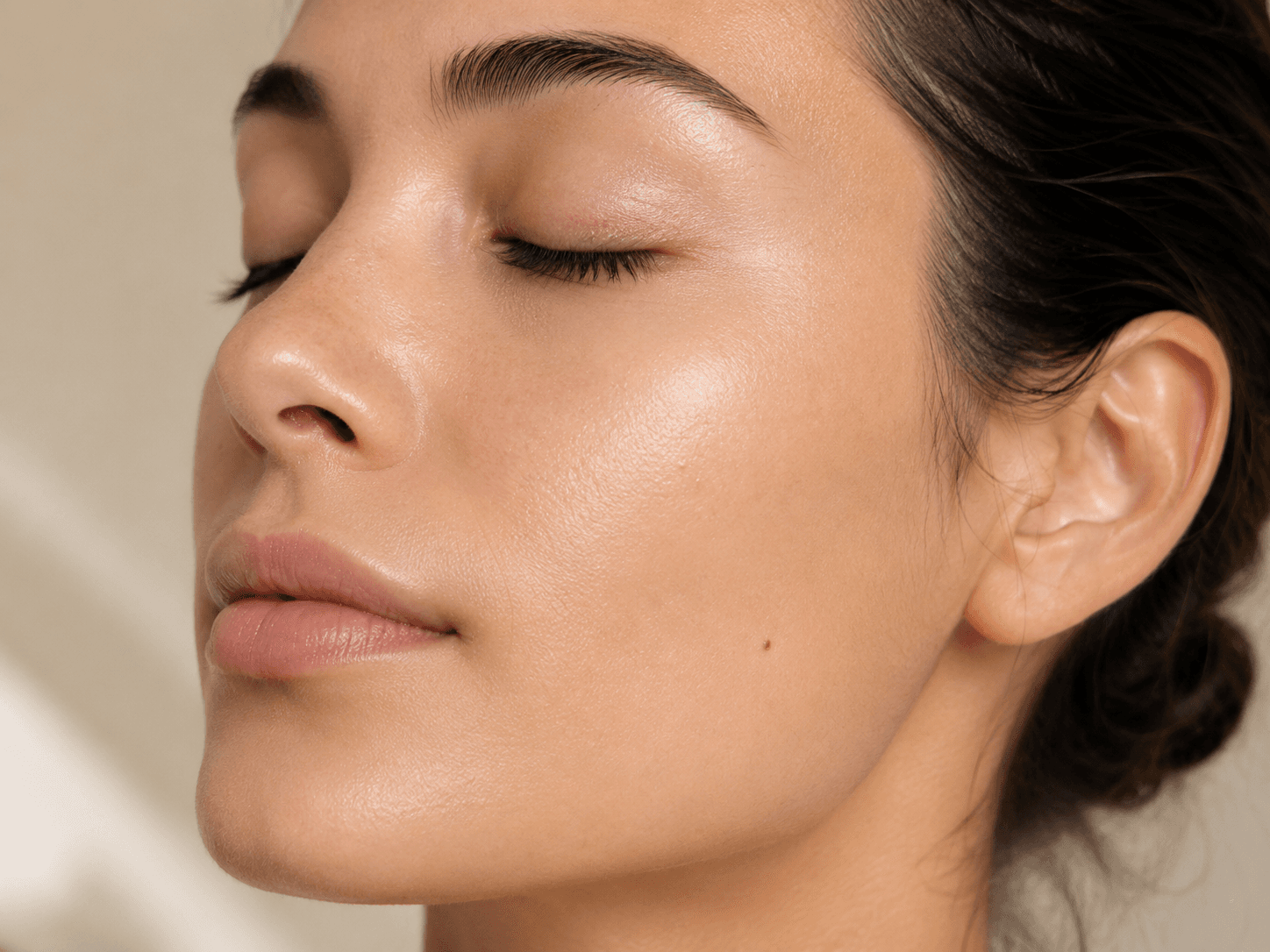
Skin treatments
Chemical Peels
Precision resurfacing for a refined complexion.
Medical-grade chemical peels applied at controlled depths to address uneven tone, texture, and pigmentation concerns under clinical supervision.
At a glance
Quick facts
- Category
- Skin treatments
- Appointment duration
- 30 – 60 min
- Anaesthesia
- Not required; discomfort managed with fan cooling and timing
- Downtime
- 2 – 7 days depending on depth
- Results onset
- Discussed during consultation
- Longevity
- Discussed during consultation
- Sessions
- Discussed during consultation
- Follow-up
- Review once peeling has resolved; course may be recommended
About this treatment
Overview
Chemical peels use carefully selected acids applied at a controlled depth to encourage the skin's natural cell turnover and address surface concerns including pigmentation, texture, and early signs of ageing. In a medical setting, the range and concentration of agents available is broader than in non-clinical environments.
Peels are categorised by their depth of action — superficial, medium, and deep — with each level suited to different skin concerns and downtime tolerance. The depth and formulation used is always selected based on your Fitzpatrick skin type, presenting concerns, and lifestyle.
A course of superficial peels is often recommended for progressive improvement. Medium-depth peels may be considered for more significant concerns and require a longer recovery period. Deep peels are reserved for specific clinical situations and discussed only in appropriate cases.
Concerns this treatment may address
Individual suitability for addressing any specific concern is determined at consultation.
What it may offer
Potential benefits
The following describes potential benefits. Individual results vary and no outcome can be guaranteed.
May improve the appearance of uneven skin tone and superficial pigmentation
Can improve skin texture and surface smoothness
May help with the appearance of post-acne marks and early acne scarring
Can support the skin's own cell renewal process
Superficial peels require minimal downtime and can be integrated into a regular skin programme
Medium-depth peels may address more significant texture and pigmentation concerns
Who may be suitable
Adults in good general health with concerns about pigmentation, skin texture, or uneven tone
Individuals with a skin tone assessed as appropriate for the peel formulation being considered (Fitzpatrick assessment required)
Those who can commit to strict sun avoidance before and after treatment
People seeking a progressive approach to skin improvement through a course of sessions
Suitability is confirmed at consultation — this list is for general guidance only.
Who may not be suitable
The following are general contraindications. A full medical history review at consultation determines individual suitability.
Those with a Fitzpatrick skin type that increases risk of post-inflammatory hyperpigmentation with certain peel types — assessed individually
Individuals who have used oral retinoids (such as isotretinoin) within the past year — discussed at consultation
Those with active cold sores, skin infections, or open wounds at the treatment site
People who cannot commit to strict sun avoidance post-treatment
Those who are pregnant or breastfeeding
Individuals with compromised or highly sensitised skin barriers
Consultation and assessment
Fitzpatrick skin type assessment and review of skin history
Discussion of specific concerns, skincare routine, and lifestyle factors including sun habits
Selection of the appropriate peel formulation and depth
Explanation of what to expect during and after the procedure, including downtime
Pre-treatment preparation instructions provided
Written informed consent before proceeding
The procedure
How it works
The skin is thoroughly cleansed and degreased to ensure even product penetration
The chemical peel solution is applied evenly to the treatment area using a brush or gauze
You may feel a tingling, burning, or warming sensation as the solution contacts the skin
The peel is left in place for a carefully timed period, depending on the formulation and target depth
A neutralising solution is applied where required, or the peel is removed according to protocol
The procedure triggers a controlled exfoliation process that takes place in the days following treatment
Preparation
Pre-treatment priming with specific products (such as retinoids or hydroquinone) may be recommended in the weeks before the peel — this is discussed at consultation
Avoid excessive sun exposure and use broad-spectrum SPF daily in the weeks before treatment
Avoid waxing, threading, or hair removal treatments near the treatment area for a week before
Do not use strong exfoliants, retinoids, or acids immediately before the peel appointment
Inform the practitioner of any cold sore history — prophylactic antiviral medication may be discussed
During treatment
Appointments typically last between 30 and 60 minutes
You will feel a noticeable tingling or burning sensation during the application — this is expected
The sensation typically peaks and then reduces as the peel is timed
Fan cooling may be used to improve comfort
The skin may appear pink or red after the peel is removed — this is normal
Aftercare
Following aftercare instructions carefully supports your recovery and helps protect your results. Contact the clinic if you have any concerns.
Keep the skin calm and hydrated — use gentle, non-irritating products only in the days following treatment
Do not pick, peel, or scrub the skin as it sheds — this can increase the risk of hyperpigmentation and scarring
Apply broad-spectrum SPF 50 every morning throughout the recovery period and beyond
Avoid direct sun exposure for at least two weeks after treatment
Avoid heat, exercise, and activities that cause significant flushing for 24–48 hours
Do not apply active ingredients such as retinoids or acids until the skin has fully recovered and the practitioner advises resumption
Recovery timeline
Timelines are approximate. Individual recovery varies.
- Day 1–2
Redness, tightness, and mild swelling are expected following medium-depth peels. Superficial peels typically cause only mild redness.
- Days 3–5
The skin begins to shed and peel. This is part of the process — do not force or pick at the skin.
- Days 5–7
Peeling typically completes and the new skin surface is revealed. Some residual redness or pinkness may remain, particularly with deeper peels.
- Weeks 2–4
The skin continues to regenerate and improvements in tone and texture may become more apparent. SPF remains essential.
What to expect
Results vary between individuals. No specific outcome can be guaranteed. The following is general guidance only — your practitioner will discuss what is realistic for your individual situation.
Improvements in skin texture and tone may be visible once the peeling process is complete
Pigmentation concerns may respond to a course of peels, though results depend on the type and depth of pigmentation
Individual responses to chemical peels vary significantly — no specific outcome can be guaranteed
A single peel may deliver noticeable improvement; a course of sessions may be recommended for more sustained results
Strict sun avoidance is essential to protect and maintain the skin following treatment
Safety information
Risks and side effects
Common
- Redness, tightness, and peeling — expected and part of the process
- Sensitivity to products and sun exposure during recovery
- Temporary worsening of skin appearance during the peeling phase
Less common
- Post-inflammatory hyperpigmentation — particularly in darker skin tones; reduced by careful peel selection and pre-treatment preparation
- Prolonged redness beyond the expected recovery period
- Uneven peeling or texture during recovery
Rare
- Scarring — risk is significantly reduced when peels are performed at appropriate depths and aftercare is followed
- Reactivation of herpes simplex
- Allergic reaction to peel ingredients
If you experience severe pain, swelling, skin colour changes, vision changes, or any symptoms that concern you after treatment, contact the clinic immediately or seek emergency medical care.
This is not an exhaustive list. All risks are discussed fully at your consultation before any treatment proceeds. This treatment is never described as risk-free.
Questions
Frequently asked questions
Explore further
Related treatments

Begin your journey
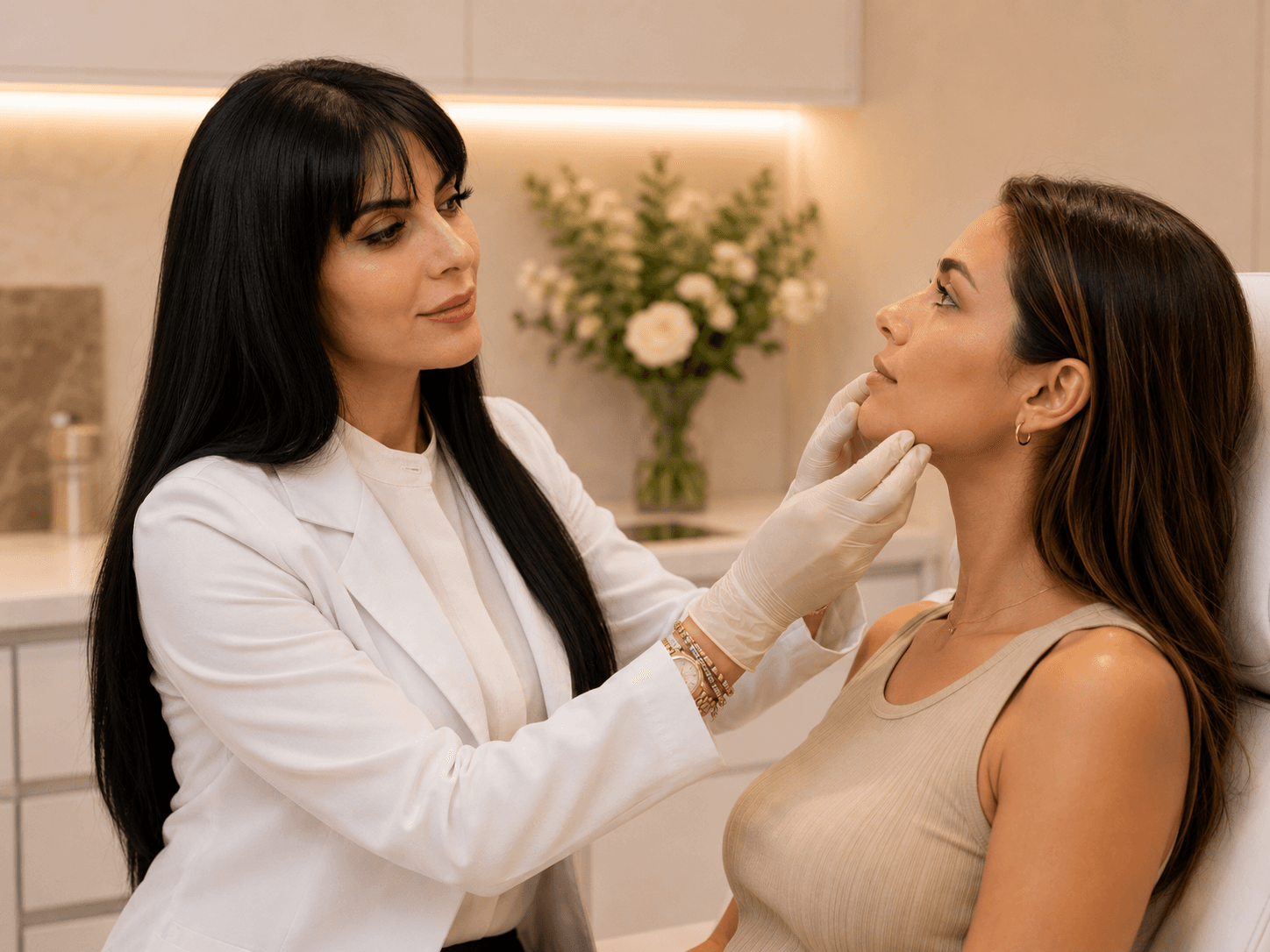
Begin with a consultation designed around you.
Every treatment begins with an unhurried clinical conversation. No pressure, no obligation — just an honest, individualised assessment.
Medical disclaimer: This page is for educational purposes only and does not constitute medical advice. All treatments carry risks that are discussed in full at a clinical consultation. Individual results vary and no specific outcome is guaranteed. A consultation with a qualified practitioner is required to confirm suitability before any treatment proceeds.