Skin treatments
Microneedling
Controlled precision for skin renewal.
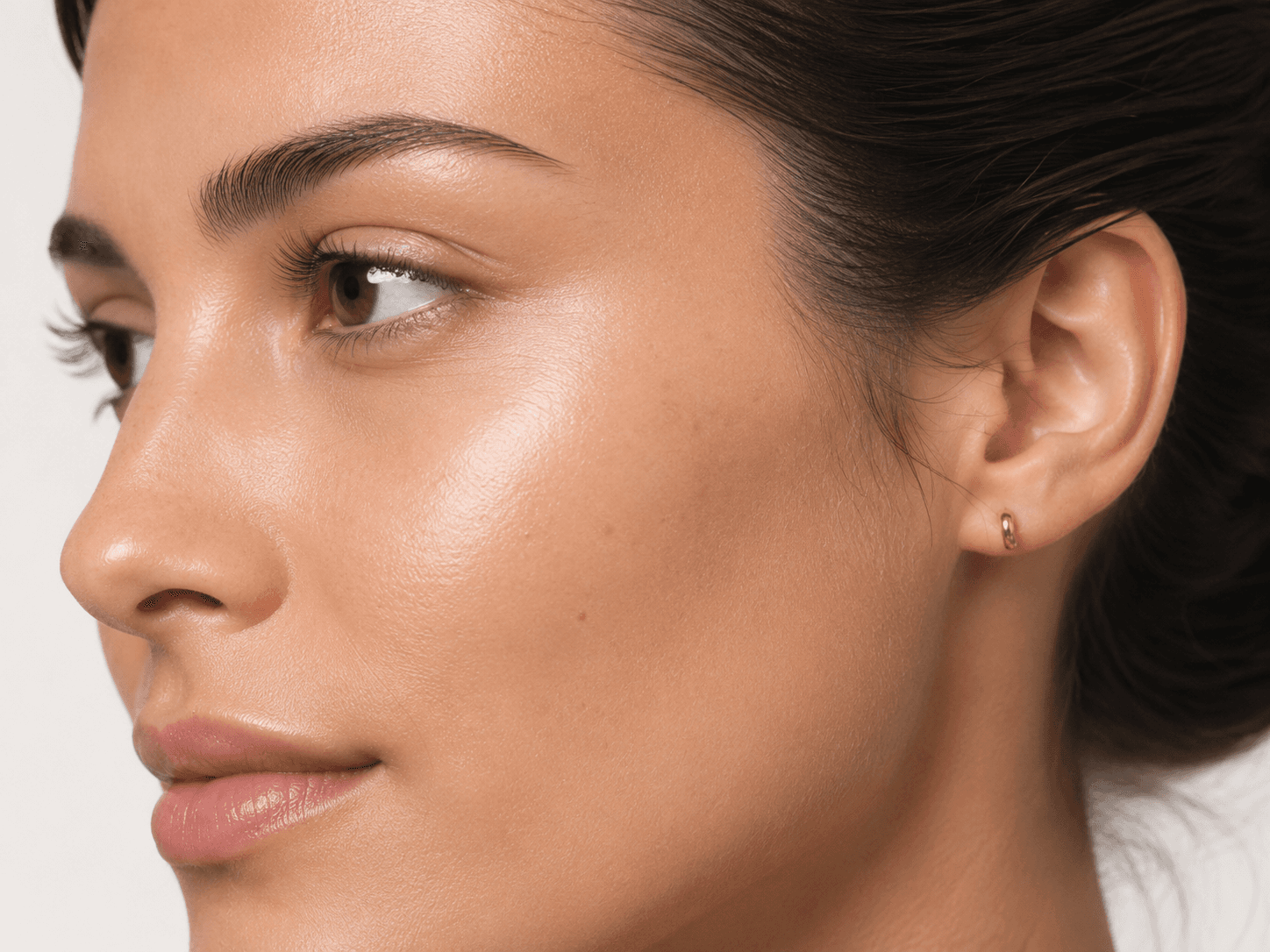
A minimally invasive procedure using fine needles to create controlled micro-channels in the skin, supporting the skin's natural renewal processes.
At a glance
Quick facts
- Category
- Skin treatments
- Appointment duration
- 60 min
- Anaesthesia
- Topical anaesthetic cream applied before treatment
- Downtime
- 24 – 72 hrs
- Results onset
- Discussed during consultation
- Longevity
- Discussed during consultation
- Sessions
- Discussed during consultation
- Follow-up
- Review after initial session; course plan discussed
About this treatment
Overview
Microneedling is a minimally invasive procedure in which a device fitted with fine sterile needles creates controlled micro-channels in the skin surface. This process is understood to support the skin's natural wound-healing response, encouraging the production of collagen and other structural proteins.
The treatment is used to address concerns including acne scarring, skin texture irregularities, enlarged pores, fine lines, and general skin quality. It is suitable for use on the face, neck, and selected areas of the body.
A course of sessions is typically recommended for concerns such as acne scarring, where progressive improvement builds across multiple treatments. The procedure is performed in a clinical setting following the application of topical anaesthetic.
Concerns this treatment may address
Individual suitability for addressing any specific concern is determined at consultation.
What it may offer
Potential benefits
The following describes potential benefits. Individual results vary and no outcome can be guaranteed.
May improve the appearance of acne scarring, post-inflammatory marks, and textural irregularities
Can support general skin texture refinement and pore appearance
May contribute to a gradual improvement in skin firmness and quality over a course of sessions
Suitable for use on the face, neck, and some body areas
Compatible with a range of skin types and tones
Can be combined with other treatments such as serums or skin boosters where clinically appropriate
Who may be suitable
Adults with concerns about acne scarring, skin texture, or skin quality
Those who have completed a consultation and have no active contraindications
Individuals willing to commit to a course of sessions for concerns such as scarring
People with a stable skincare routine and no recent use of isotretinoin (recency assessed at consultation)
Suitability is confirmed at consultation — this list is for general guidance only.
Who may not be suitable
The following are general contraindications. A full medical history review at consultation determines individual suitability.
Those with active acne breakouts at the proposed treatment site
Individuals who have used oral isotretinoin within a period assessed at consultation
People with active skin infections, cold sores, or eczema at the treatment site
Those with a history of keloid scarring — assessed individually
Those who are pregnant or breastfeeding
Individuals with certain blood-clotting conditions or on anticoagulant therapy
Consultation and assessment
Review of skin history, concern type, and treatment goals
Assessment of scar type, depth, and distribution where relevant
Review of medical history, medications, and prior treatments
Discussion of course length, expected results, and what the treatment involves
Written informed consent before proceeding
The procedure
How it works
Topical anaesthetic cream is applied and left for a sufficient period before the procedure begins
The skin is cleansed and prepared
A medical microneedling device is moved systematically across the treatment area, creating controlled micro-channels at a calibrated depth
The depth of needling is adjusted according to the area and concern being addressed
A calming serum or treatment product may be applied immediately after, as the micro-channels allow improved penetration
The skin's healing response is triggered, and over subsequent weeks the production of collagen and other structural proteins is stimulated
Preparation
Discontinue retinoids and strong acid-based products for several days before treatment, as advised
Avoid excessive sun exposure and use SPF daily in the weeks before treatment
Do not attend if you have an active skin infection, cold sore, or acne breakout in the treatment area
Inform the practitioner of any use of isotretinoin and when it was discontinued
Arrive with clean skin on the day of treatment
During treatment
The appointment typically takes approximately 60 minutes including anaesthetic application time
Topical anaesthetic cream significantly reduces discomfort — most people find the procedure tolerable
Some areas of the face may be more sensitive than others, such as the nose or upper lip
The skin will appear red and feel warm or flushed immediately after the procedure
Very fine bleeding or pinpoint marks may be visible on the skin surface — this is expected
Aftercare
Following aftercare instructions carefully supports your recovery and helps protect your results. Contact the clinic if you have any concerns.
Keep the skin clean and avoid touching it unnecessarily in the hours following treatment
Apply only practitioner-approved calming products in the first 24–48 hours — avoid actives
Do not apply makeup for at least 12–24 hours after treatment
Avoid sun exposure and apply broad-spectrum SPF as soon as product application is permitted
Avoid exercise, saunas, and heat for 24–48 hours
Do not use retinoids or acid-based products until the skin has recovered and the practitioner advises
Recovery timeline
Timelines are approximate. Individual recovery varies.
- Immediately after
Redness, warmth, and a flushed appearance — similar to moderate sunburn. This is expected and normal.
- Days 1–2
Redness typically reduces significantly. Some tightness and mild sensitivity may persist.
- Days 3–5
Mild peeling or skin shedding may occur as the surface renews. Most people can return to normal activities and wear makeup during this period.
- Weeks 2–6
Gradual improvement in skin texture and quality may become more noticeable as collagen production responds to treatment.
- After a course
Improvements from a structured course of sessions tend to be more visible and sustained than from a single treatment, particularly for scarring.
What to expect
Results vary between individuals. No specific outcome can be guaranteed. The following is general guidance only — your practitioner will discuss what is realistic for your individual situation.
Results from microneedling are gradual — visible improvement typically builds over weeks and across sessions
Individual response varies depending on skin type, concern type, and lifestyle
Acne scarring may show progressive improvement across a course, with results dependent on scar type and depth
General skin texture and quality improvements may be noticeable from earlier in a course
No specific outcome can be guaranteed — results are discussed honestly at consultation
Safety information
Risks and side effects
Common
- Redness and warmth after treatment — typically resolves within 24–48 hours
- Mild swelling
- Skin sensitivity to products and sun exposure during recovery
- Temporary dry or tight sensation
Less common
- Breakout or skin purging shortly after treatment, particularly in acne-prone skin
- Prolonged redness or sensitivity
- Mild hyperpigmentation in susceptible skin types — risk reduced by SPF use and appropriate aftercare
Rare
- Infection at treatment sites — risk significantly reduced by clinical hygiene standards
- Scarring — risk is very low with appropriate depth selection and technique
- Allergic reaction to products applied during or after treatment
If you experience severe pain, swelling, skin colour changes, vision changes, or any symptoms that concern you after treatment, contact the clinic immediately or seek emergency medical care.
This is not an exhaustive list. All risks are discussed fully at your consultation before any treatment proceeds. This treatment is never described as risk-free.
Questions
Frequently asked questions
Explore further
Related treatments

Begin your journey
Begin with a consultation designed around you.
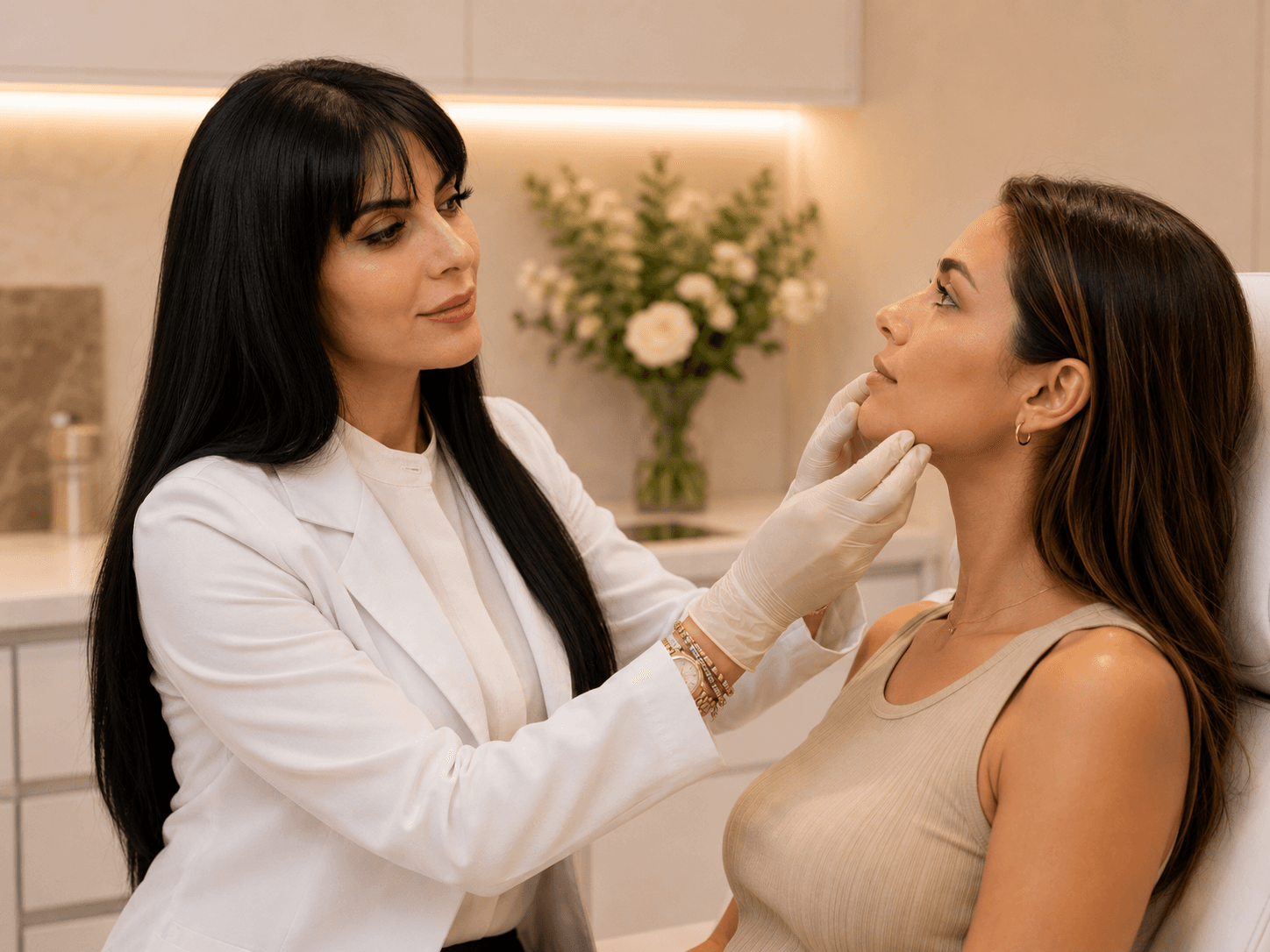
Every treatment begins with an unhurried clinical conversation. No pressure, no obligation — just an honest, individualised assessment.
Medical disclaimer: This page is for educational purposes only and does not constitute medical advice. All treatments carry risks that are discussed in full at a clinical consultation. Individual results vary and no specific outcome is guaranteed. A consultation with a qualified practitioner is required to confirm suitability before any treatment proceeds.